Understanding Dzogchen and Mahamudra
What Defines Dzogchen and Mahamudra?
Dzogchen and Mahamudra are closely related traditions from different schools of Tibetan Buddhism—Nyingma and Kagyu, respectively. They both point directly to awareness. Instead of working step by step to improve concentration or alter mental states, they invite you to practice “nonmeditation,” to notice what it’s like to already be aware.
These practices ask: What is it that knows this moment? By looking directly, you can begin to see that awareness is not something you create; it’s already here, open and unencumbered, even when the mind feels busy or unsettled.


Conceptual Pillars of Dzogchen and Mahamudra
Nature of Awareness
Awareness is open, present, and clear—before the appearance of any thought or emotion. Dzogchen and Mahamudra train you to notice this directly, as something you can experience at any waking moment.
Start here:
Naked AwarenessNonduality
It’s the dissolution of the sense of being a separate observer, someone inside your head looking out. It is the absence of the feeling that thoughts and sensations are separate from the very capacity to know them: awareness.
Start here:
The Selflessness of All ThingsSelf-Liberation
It’s the recognition that thoughts and emotions are fluid, transient appearances in awareness—that they pass on their own, without needing to be controlled or replaced. This makes them less powerful, and frees you from their grip.
Start here:
The Mind According to DzogchenKey Teachers of Dzogchen and Mahamudra

James Low
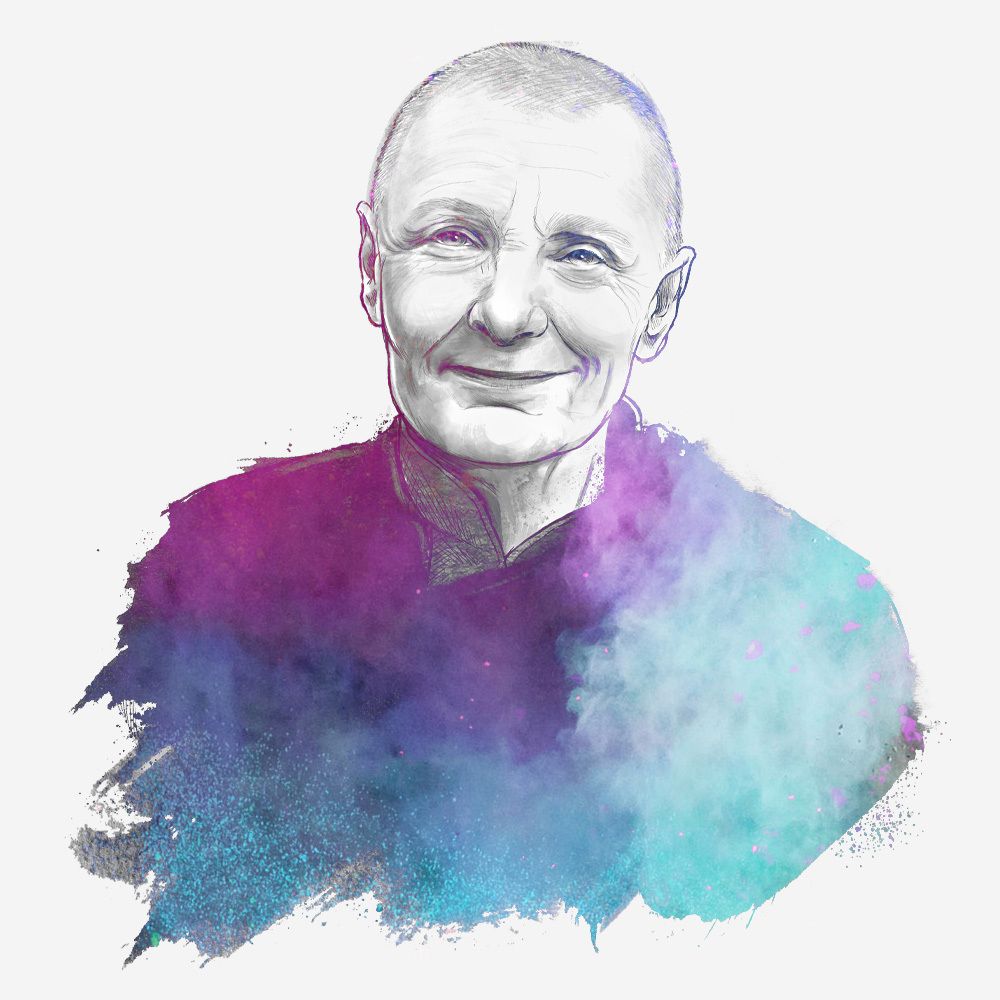
Jetsunma Tenzin Palmo

Sam Harris
Sam Harris is a neuroscientist, philosopher, five-time New York Times bestselling author, and creator of the Waking Up app. He has practiced meditation for over 30 years and has studied with Tibetan, Indian, Burmese, and Western meditation teachers across the world.
Start here:
Q&A with Sam HarrisStephan Bodian & Sam HarrisMember Questions: Matt and Dan HarrisMember Questions: Shadi HamidMember Questions: Joshua GreeneMember Questions: Tamler Sommers