Our content is shaped by real people—deeply curious thinkers and teachers. Here are the stories behind and inspired by Waking Up.
Guest Editor | Member Since 2025
Andrew Zuckerman
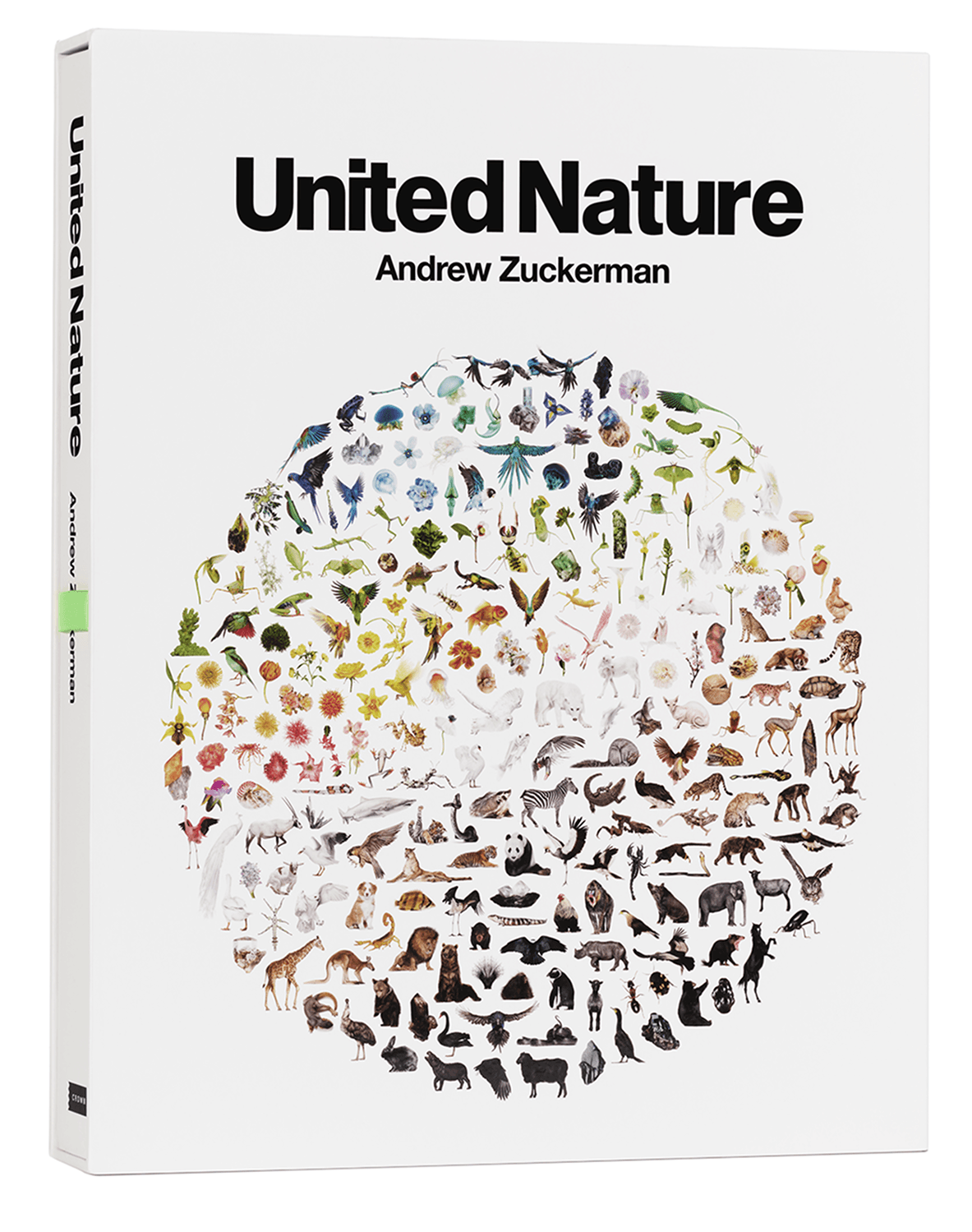
Andrew Zuckerman is an artist and creative director whose work explores perception and our relationship to the natural world. His latest book, United Nature, will be published by Crown in late 2026. It brings together more than two decades of photographic work exploring the continuity between forms of life and our place within the natural world.
“We are not observers of nature. We are nature, made visible.”
Andrew Zuckerman
Stories

By Andrew Zuckerman
Much of my work has been concerned with what happens when we really look.
I am interested in creating conditions where that process slows down.
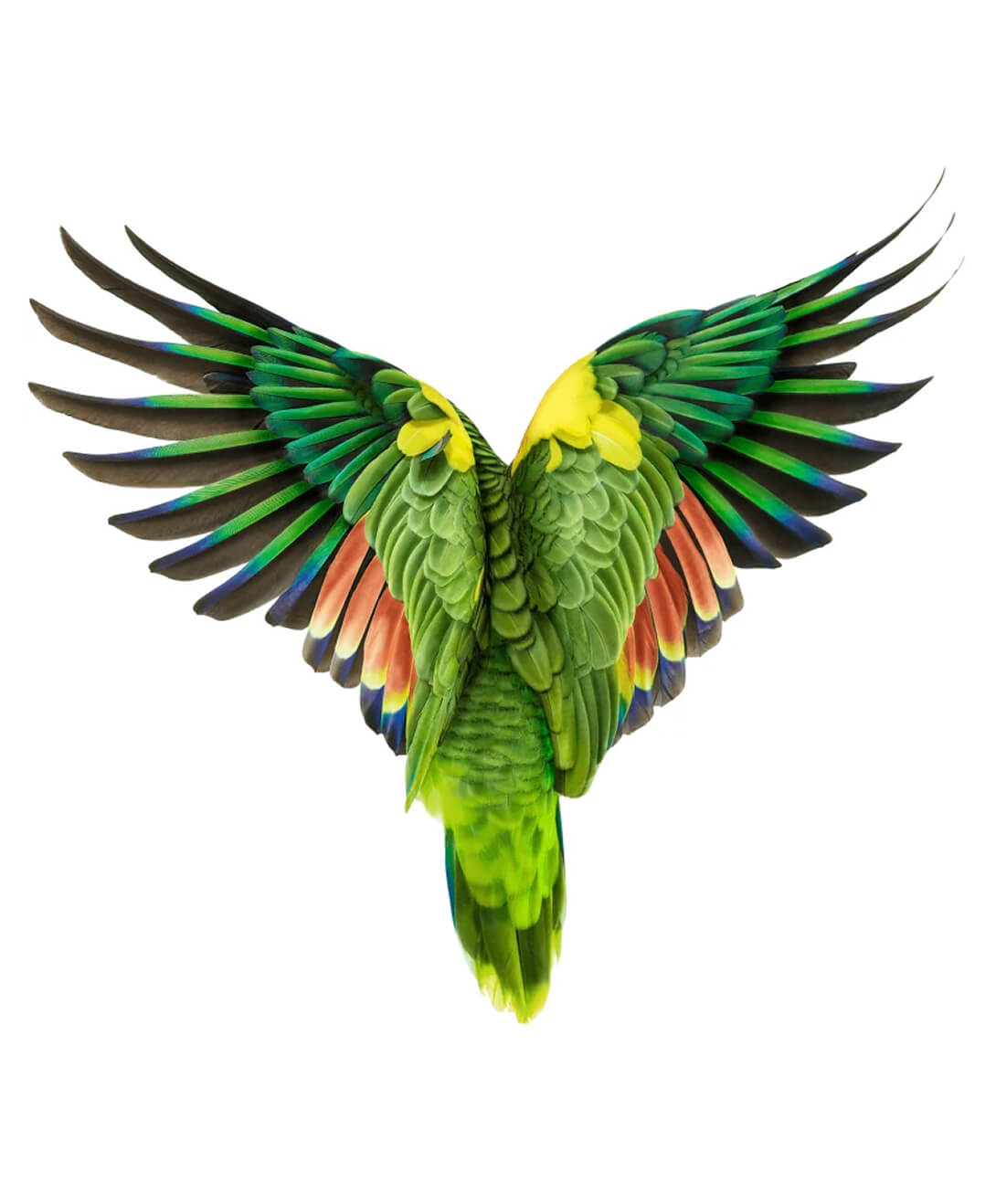
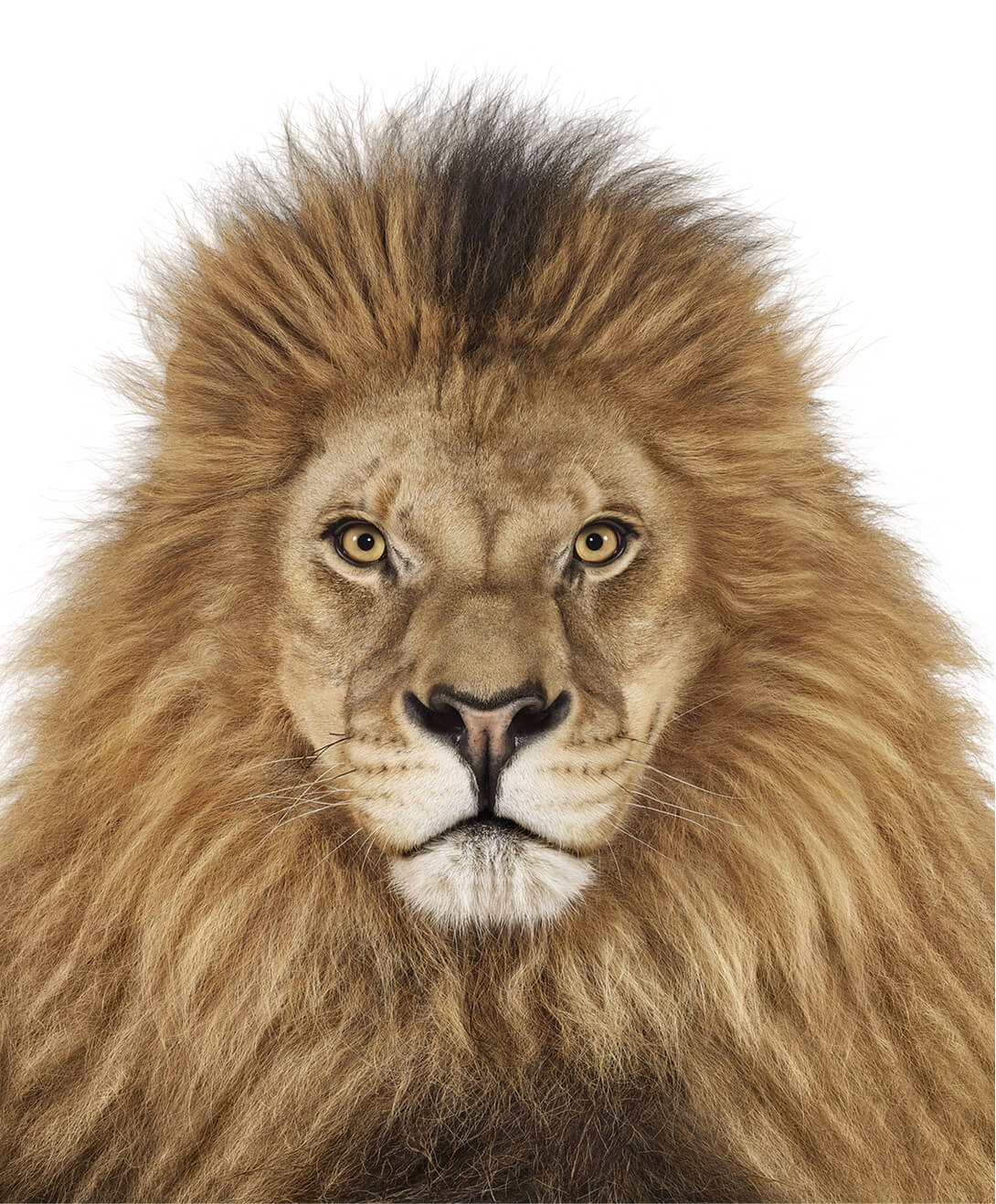
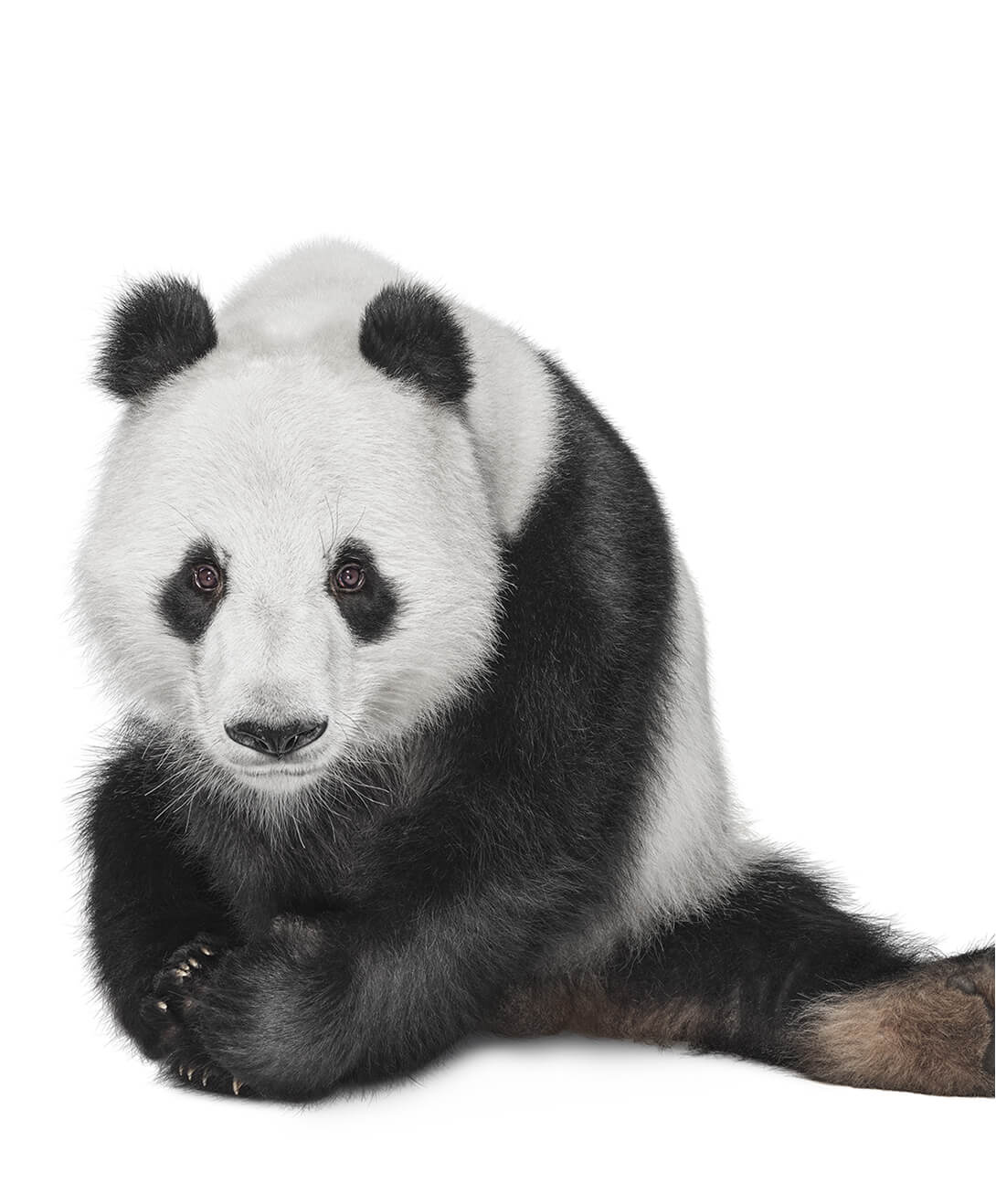
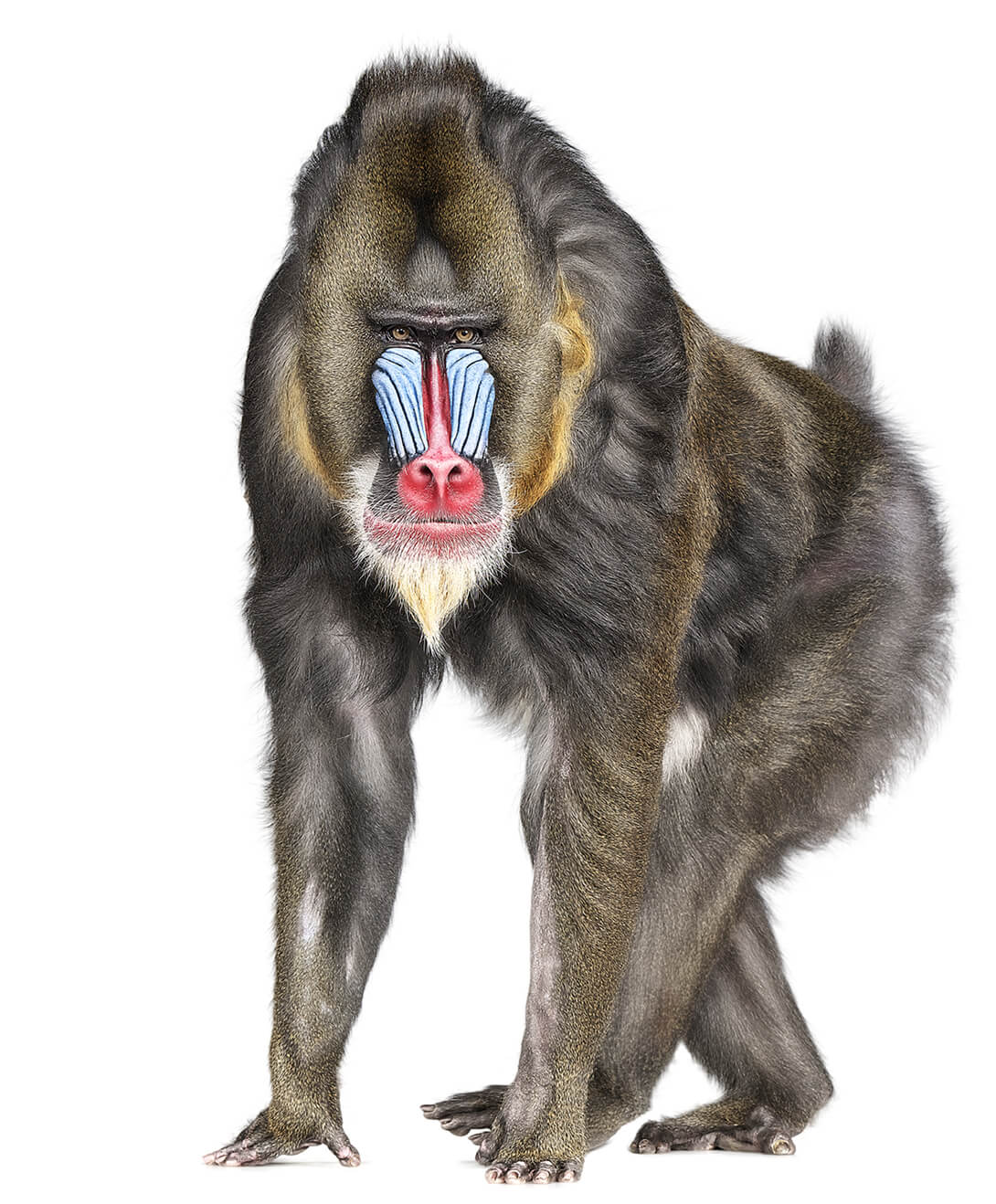
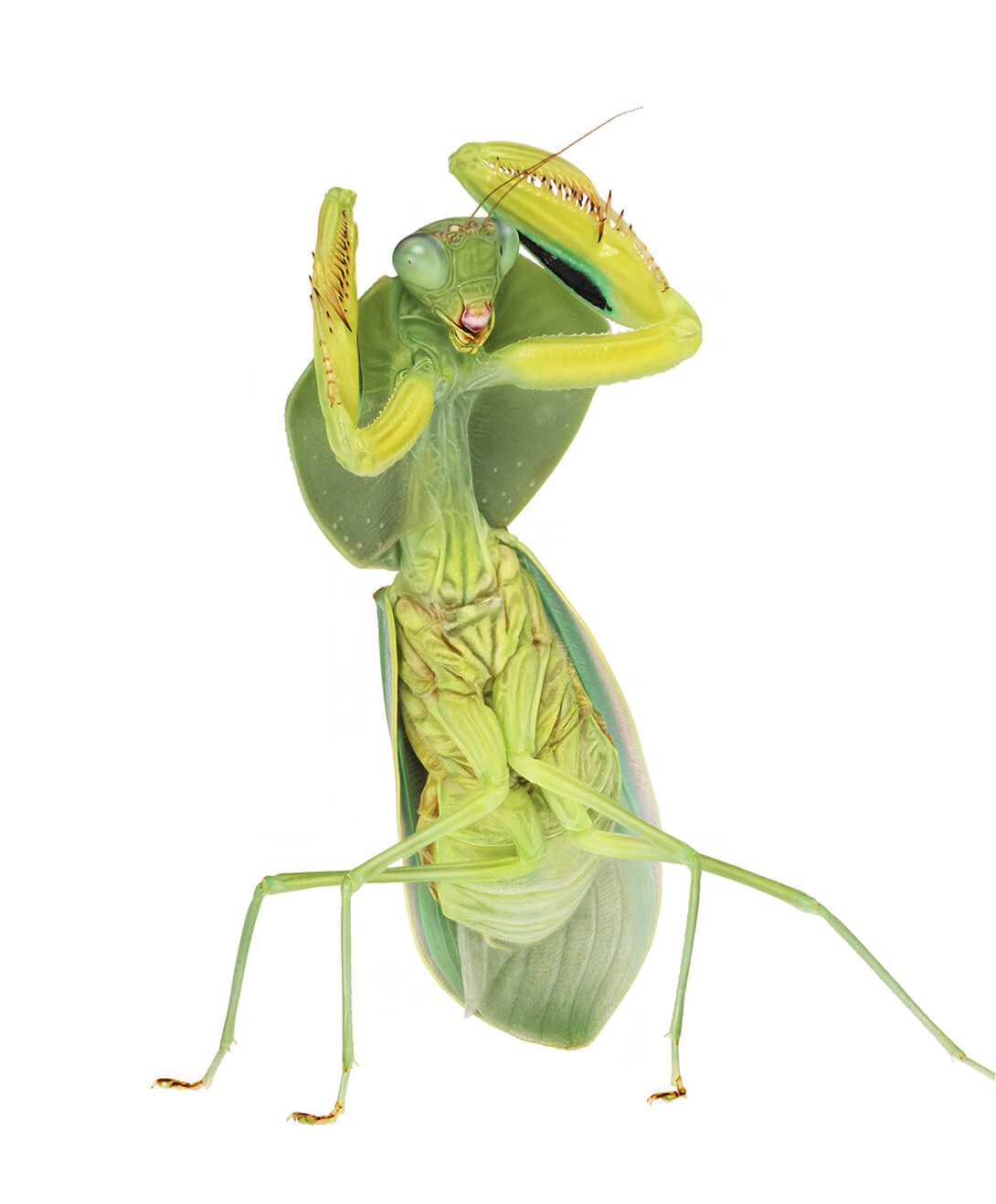
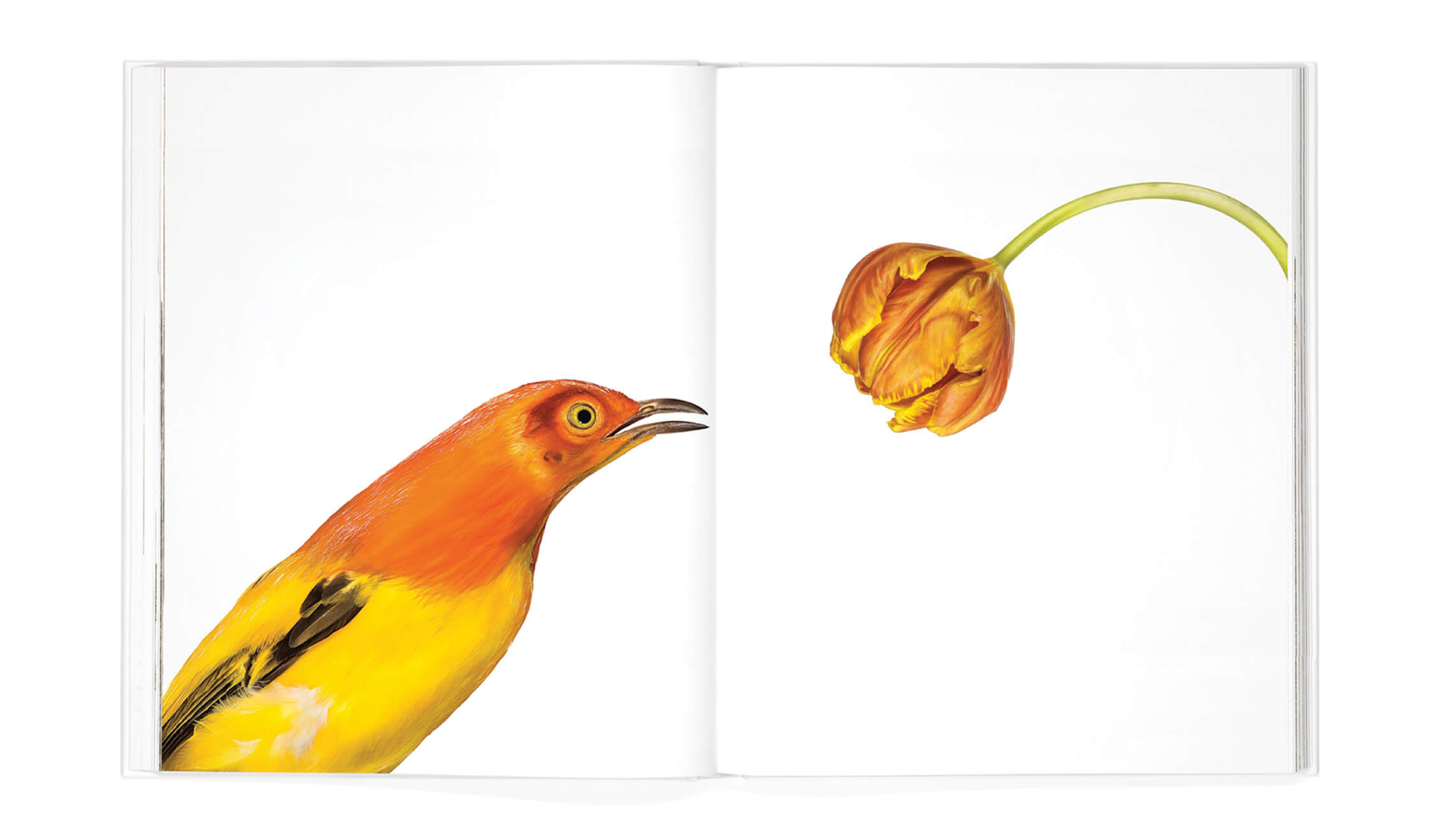
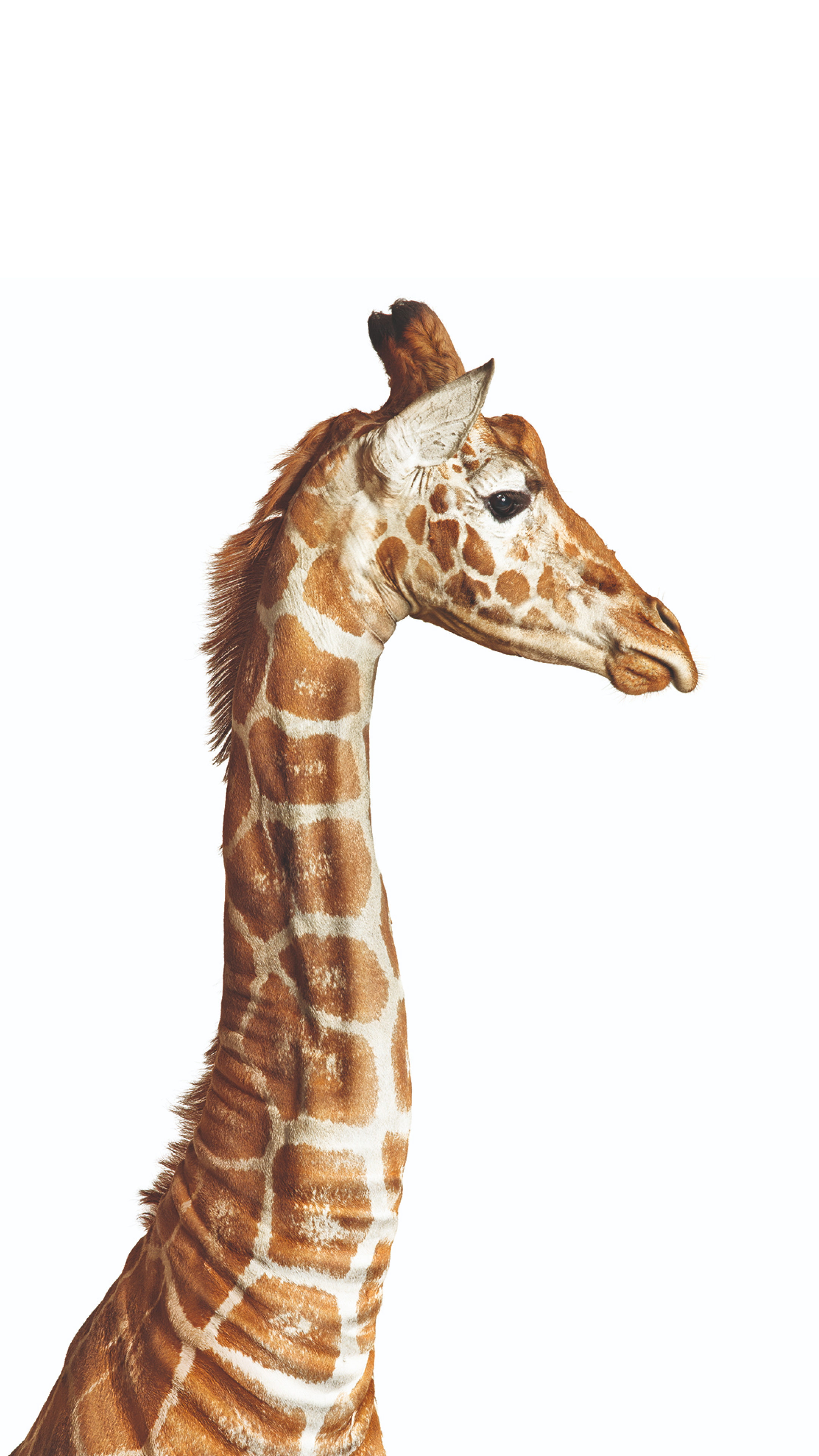
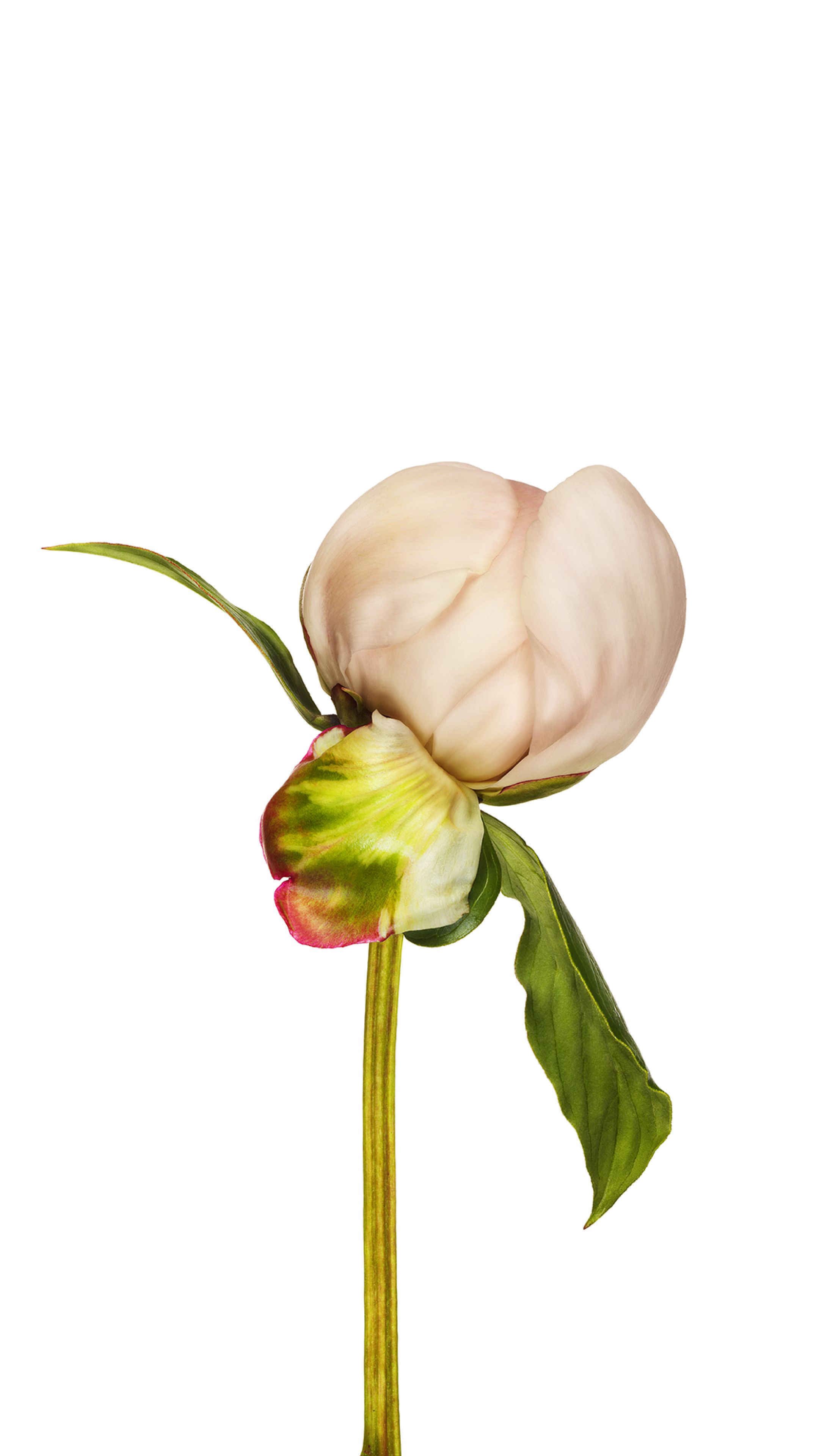
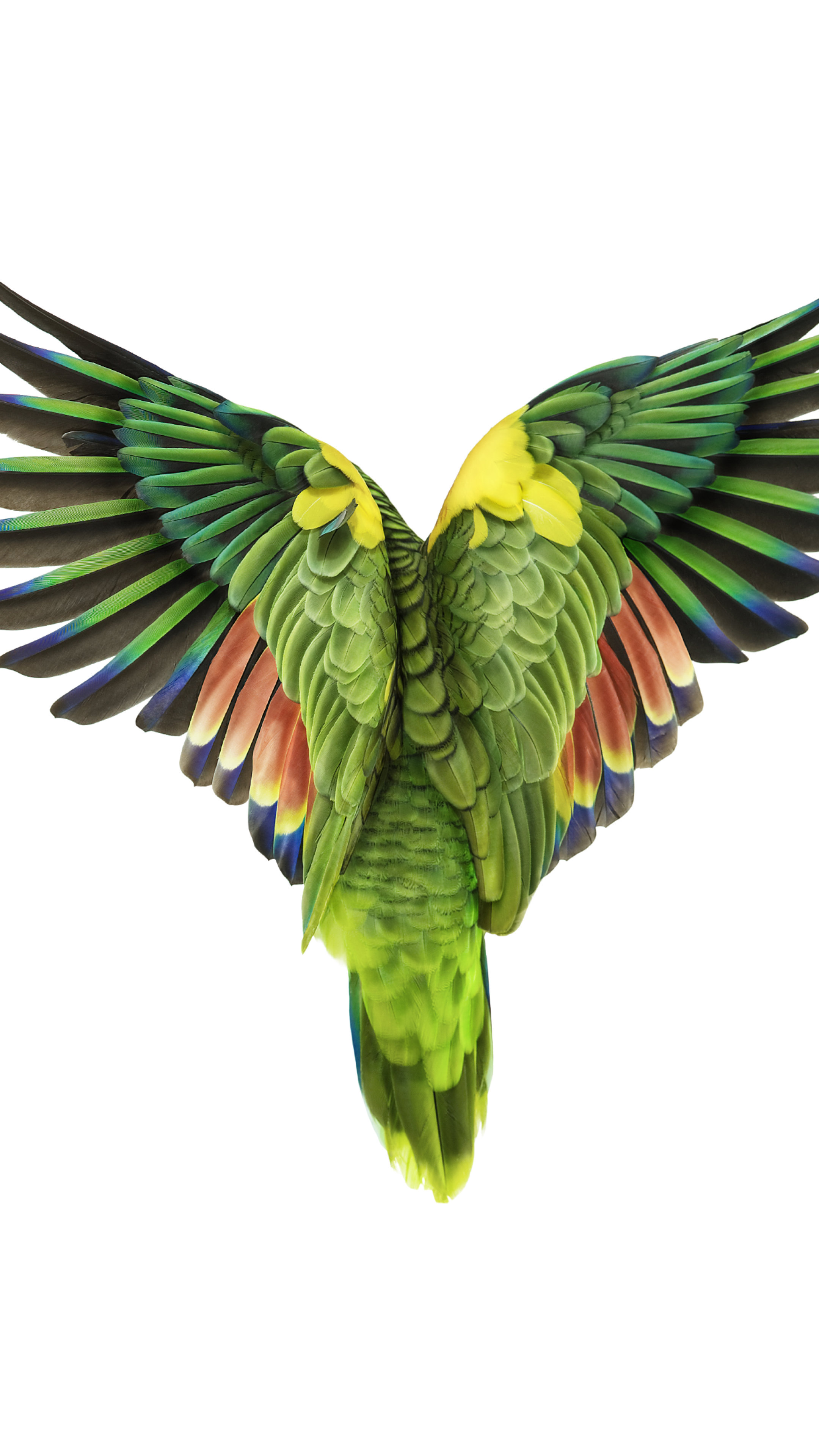
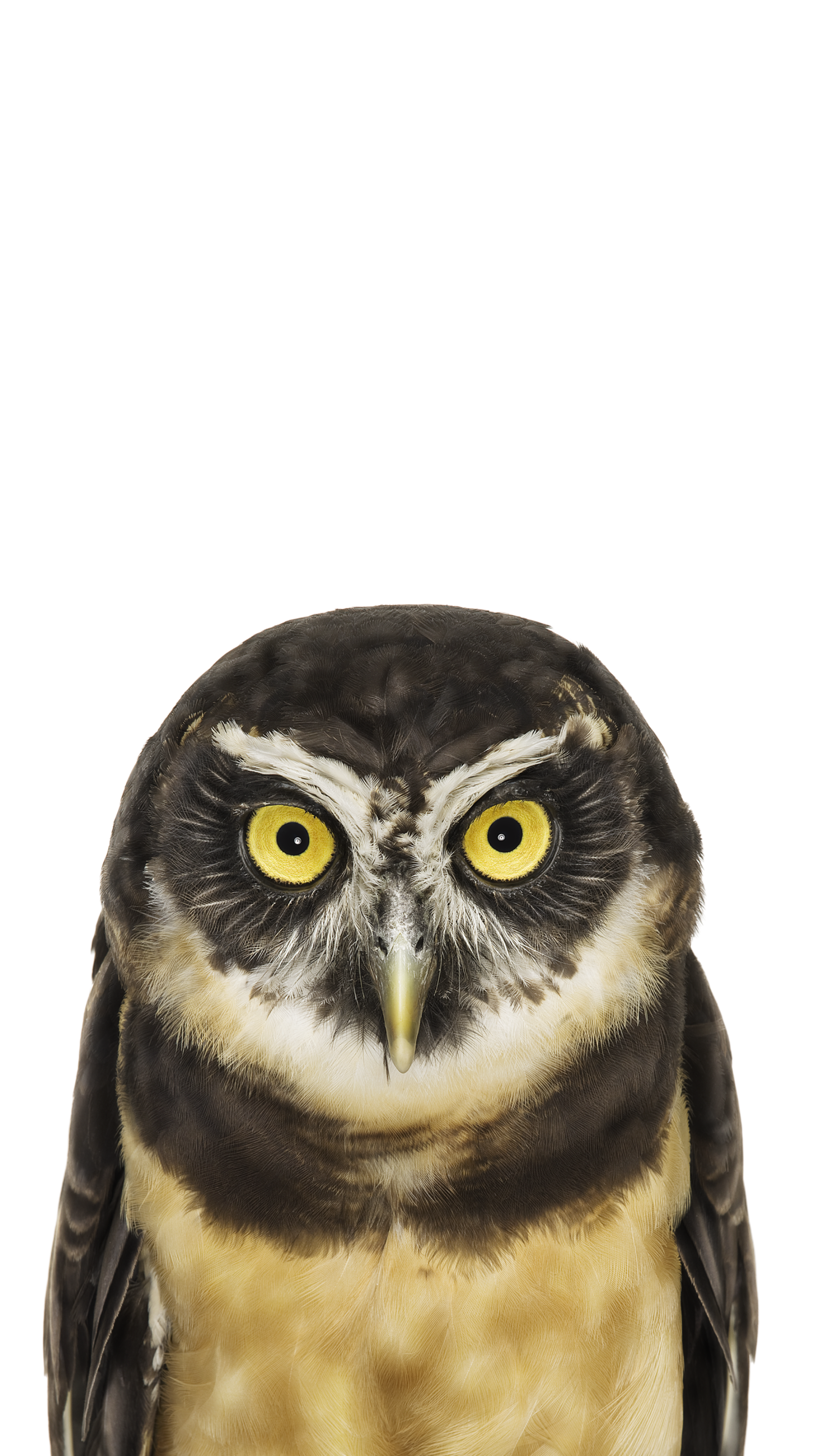
The white field in my photographs came from this. It removes habitat, scale, geography, and narrative. It takes away many of the cues we normally use to understand where something belongs and how important it is. A beetle can occupy the same visual space as a horse. A seed and a flamingo can carry the same weight. The subject is simply there, in front of you.
The hope is that this creates an encounter.
White space gives perception somewhere to happen. Sometimes an image can reach the body before the mind has fully interpreted it. There is a brief period when you are seeing and feeling before you have completely decided what something is.
Feeling moves faster than logic.
The body often registers something before we can explain our response to it. Attraction, discomfort, recognition, wonder, and fear can all arrive ahead of language. Beauty can work this way too.
Something holds your attention before you understand why.
This is one of the connections I feel between looking and meditation. Meditation has made me more aware of the small distance between experience and the thought that follows it. A sound occurs. A sensation appears. A thought enters consciousness. With enough attention, you can sometimes notice these things before the mind has built a story around them.
Looking can have a similar quality.
I have become interested in active looking as a practice. To stay with something long enough that the first interpretation begins to loosen. Familiarity can disappear surprisingly quickly under sustained attention. Something you thought you knew can become strange again.
That idea sits at the center of United Nature.
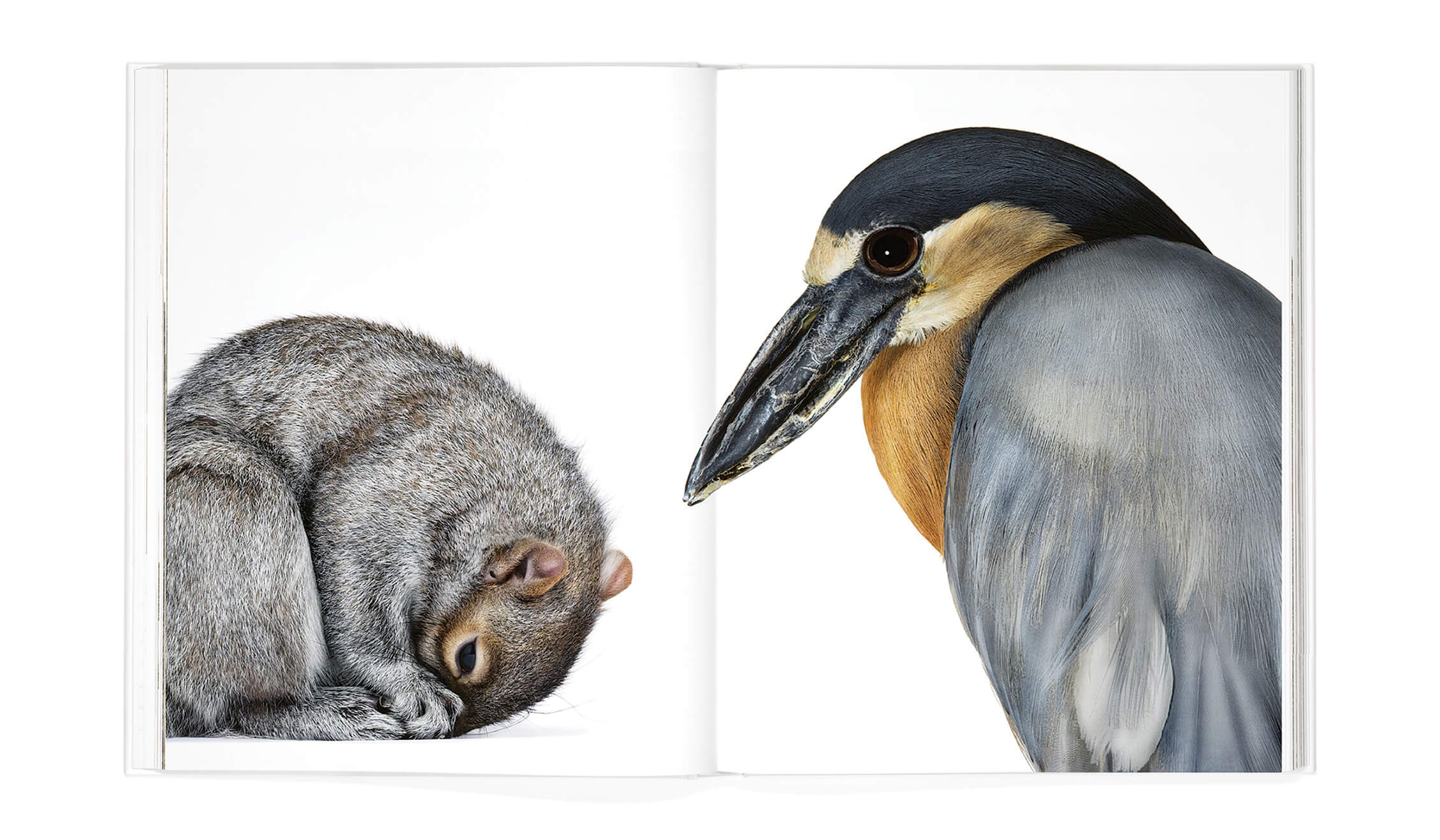
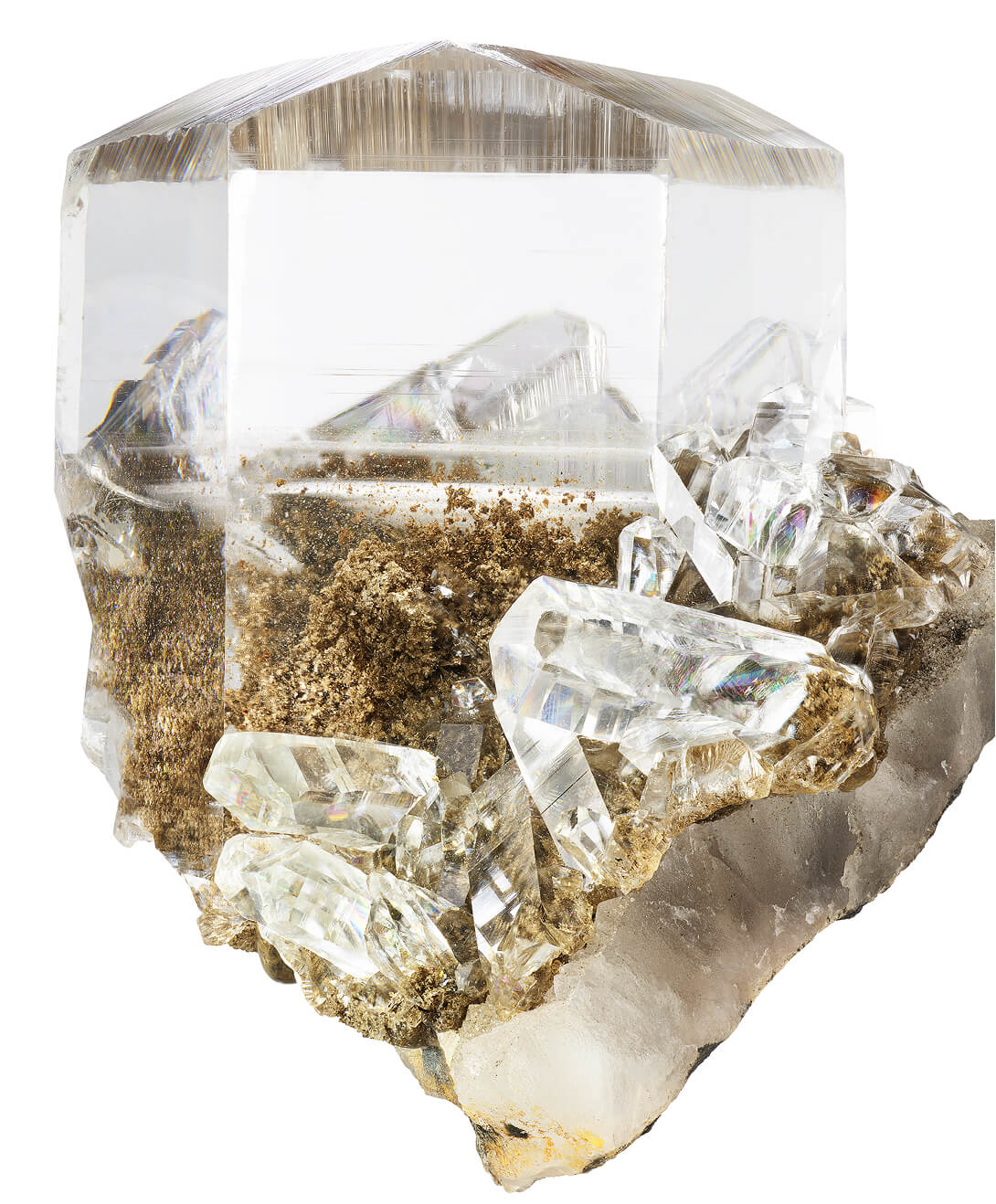
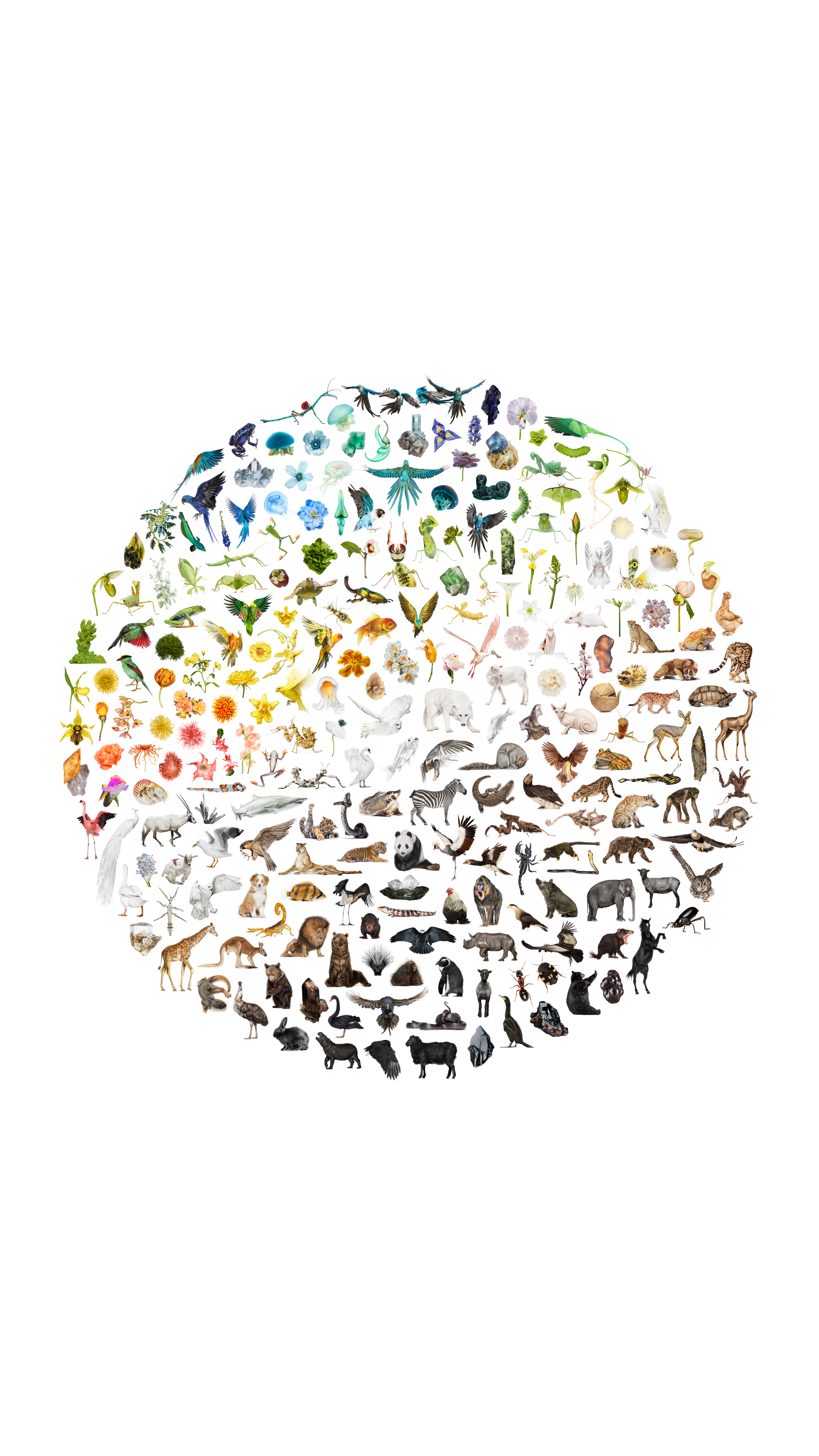
The book brings together more than twenty years of work. Animals, birds, flowers, seeds, ice, minerals, and human forms are placed in relation to one another without the categories that originally separated them.
When nearly three thousand images were brought together, relationships began to appear across work made years apart.
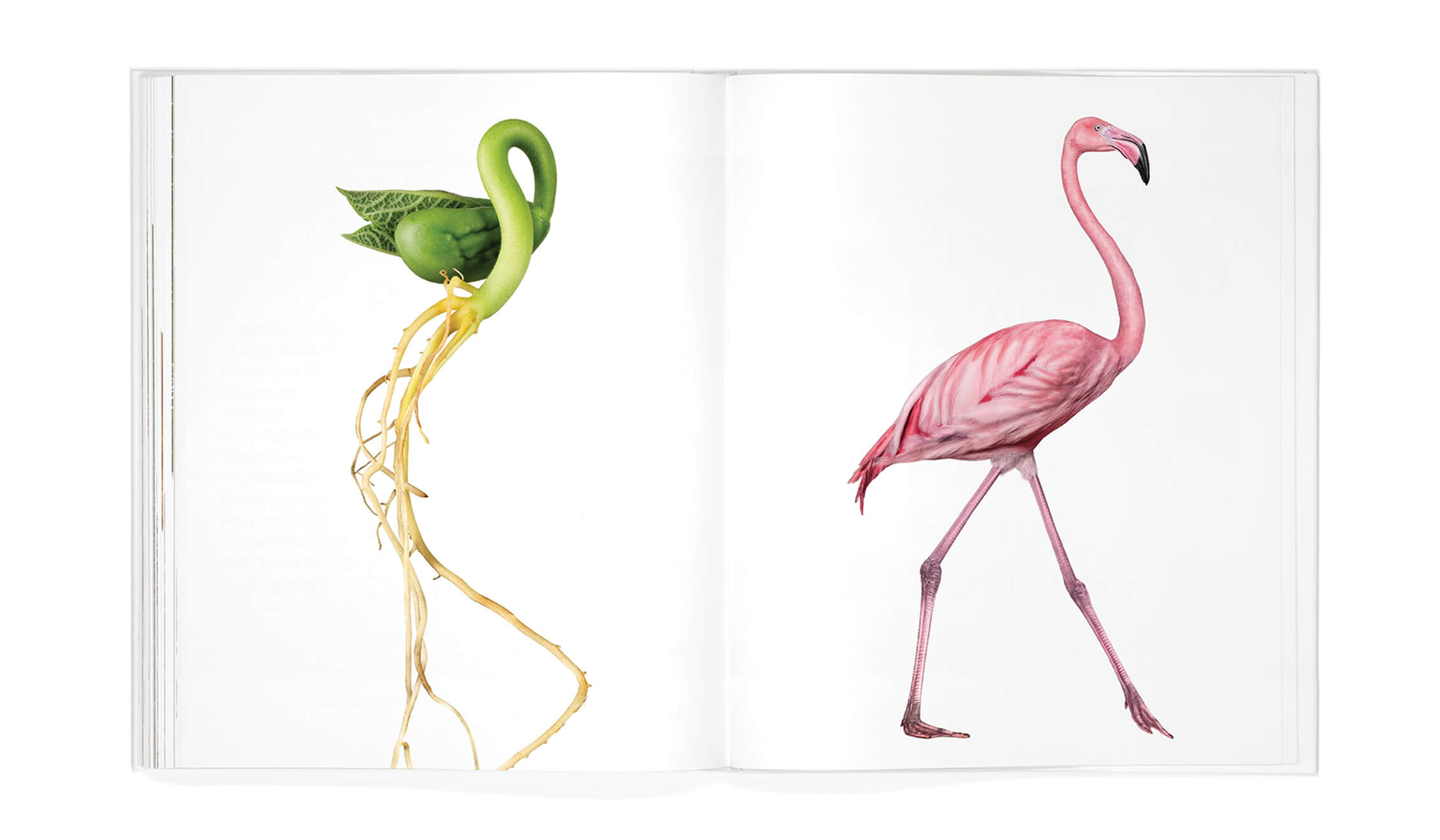
A sprouting seed could find a flamingo. A jellyfish could resemble a mineral. A cat could enter into dialogue with a flower. Forms and gestures repeated across completely different scales. The relationships were already there.
Bringing the images together made them easier to perceive.
Each subject retains its specificity. A bird remains a bird. A mineral has a completely different existence from a plant. What changes is the sense that those distinctions require absolute separation.
Difference can exist within continuity.
Scientifically, we know that human beings are continuous with the rest of life. We share ancestry, chemistry, cellular machinery, and dependence on an enormous web of other organisms and systems.
We know this.
I am interested in why we so rarely experience it.
Our language reveals the distance. We routinely speak about going into nature, protecting nature, returning to nature. The language places us somewhere outside it. United Nature tries to create an experience of the living world as a field of relationships.
One of the things I began to recognize is how much our perception of the world is shaped by the timescale of our own lives. We connect easily to animals because their time is legible to us. We can watch them move, react, and make decisions. Plants operate more slowly, but their growth still falls within a scale we understand. A seed can compress years of potential into a tiny physical form. Ice can contain hundreds of thousands of years of atmospheric history. Minerals emerge through geological processes that exceed the scale of a human life almost completely.
Our sense of what is alive, active, or meaningful is deeply shaped by the time scale at which we happen to exist. Active looking can stretch that scale.
I want the images in the book to hold someone long enough for the normal categories to become slightly less rigid. Photography makes a kind of encounter possible that rarely happens in life. We can come closer to these subjects than we ever could in the natural world, and remain there for as long as we choose. At that distance, and with that time, things begin to reveal themselves. Skin, feathers, veins, scales, hairs, and imperfections become visible. The longer we look, the more there is to see. The subject continues to unfold. The intention is simple.
Look longer.
The work creates an opportunity for experience. The photographs place forms into relationships and leave enough space for the viewer to discover what those relationships might mean. That discovery matters more to me than explanation.
Certain things can be understood intellectually for an entire lifetime without ever becoming part of lived experience.
Meditation makes this obvious. You can understand an idea about the nature of mind and still never experience it directly. The same is true of our place in the living world.
Science gives us the fact of continuity. I am interested in the experience of continuity.
United Nature is an attempt to create an opportunity for that recognition through looking.
We are not observers of nature.
We are nature, made visible.
Andrew Zuckerman
United Nature
See Inside the Book
Downloadable Wallpaper
Andrew has made a selection of his striking photographs available for download as wallpaper.
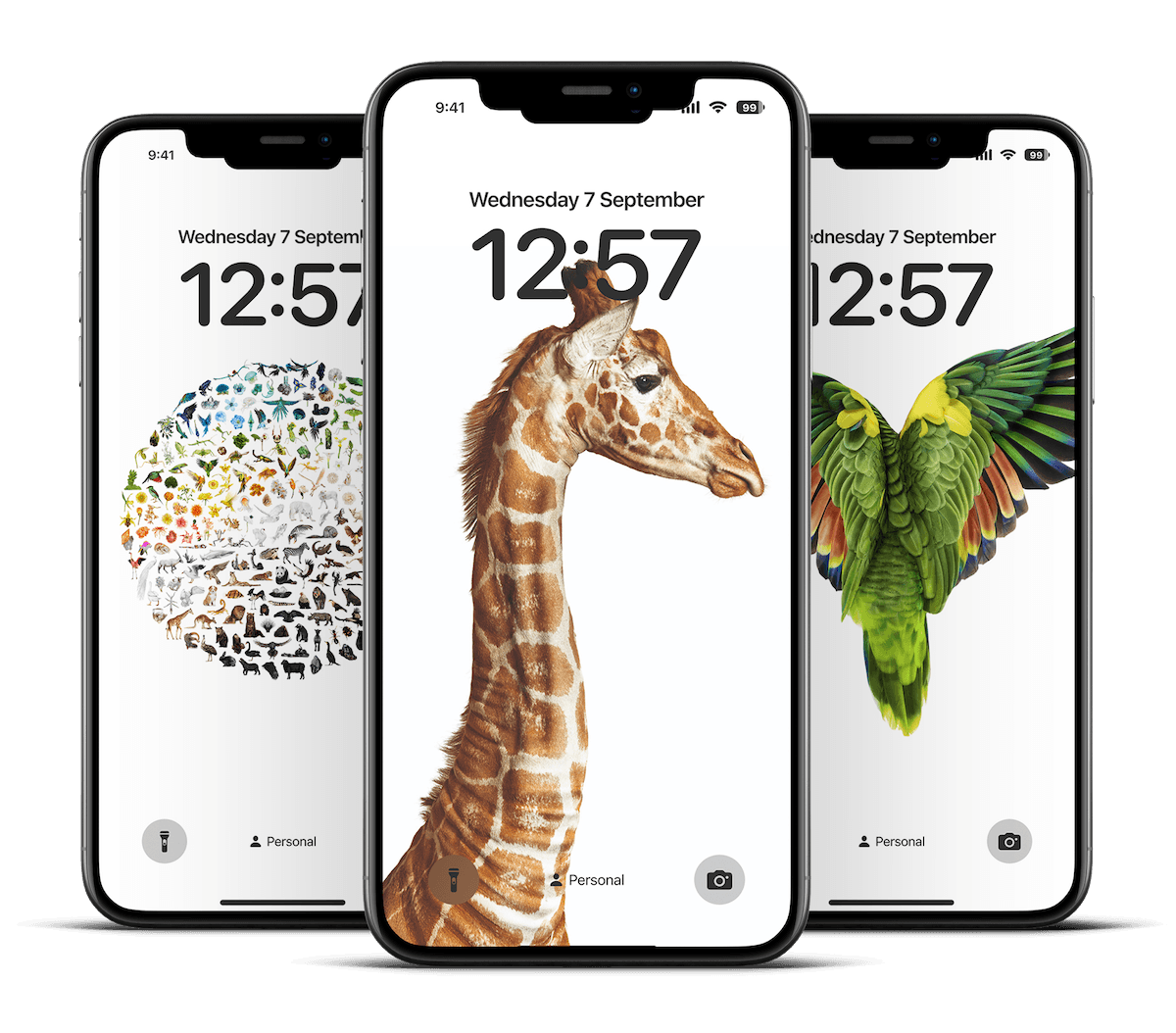
Click each image to download wallpaper.
More About Andrew Zuckerman
Known for his distinct visual language, Zuckerman’s artwork has been exhibited internationally and acquired by major public institutions and private collections, while his books have been published in multiple languages and editions. His strategic advisory and creative studio works across the life sciences, deep tech, energy, education, and infrastructure.
United Nature brings together more than two decades of photographic work exploring the continuity between forms of life and our place within the natural world.
Zuckerman lives and works in New York City.
Website:
andrewzuckerman.comInstagram:
@andrewzuckermanGo Deeper with Waking Up
Waking Up is more than a meditation app. It's a gateway to a deeper understanding of yourself and to a new way of being in the world. Through guided meditations, lessons, and conversations with leading teachers and scholars, Waking Up presents the best of ancient wisdom and modern knowledge about the art of living well.